Smart & Sustainable Power
⟡ Energy Markets, Environmental Policies, & Goodbye
Originally published on Macrocosm 2026 (Cluster 6).
In the summer of 2026, I attended UC Santa Cruz COSMOS, where I studied Smart and Sustainable Power. During the program, I joined the e-newsletter team and wrote about what I learned and experienced throughout the four weeks. I hope you enjoy reading Week 4!
Welcome to the last recap for Cluster 6–Introduction to Smart and Sustainable Power! We can’t believe COSMOS is already over. We started off the fourth week of COSMOS by learning about energy markets. An energy market is a system where people and companies buy and sell energy, such as electricity, natural gas, oil, and renewable power. Power plants and fuel producers set prices based on how much energy people need versus how much is available.
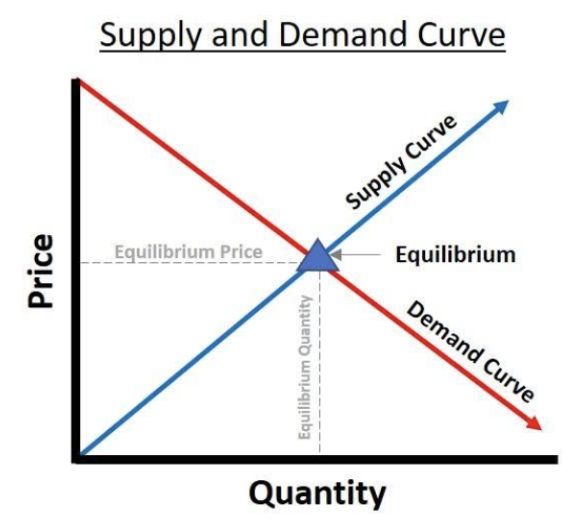
A key concept in energy markets is supply and demand. Supply is how much of something is ready to be sold, while demand is how many people want to buy it. The balance between supply and demand determines the price. In general, when prices increase, people buy less, and when prices decrease, people buy more. For example, a limited-edition item represents high demand–a lot of people want it–and low supply because only a few are made. An example of low demand and high supply would be a store producing too much of a certain type of clothing and lowering the price because few people want to buy it. This is why markets look for a sweet spot where the amount people want to buy equals the amount sellers want to sell.
Another important topic was day-ahead and real-time markets. Regional Transmission Organizations (RTOs) and Independent System Operators (ISOs) manage the electric grid over large regions, ensuring enough electricity is generated to meet demand while keeping costs low. Since electricity cannot easily be stored without first being converted into another form of energy–which increases costs and results in some energy loss as heat–supply and demand must be balanced every second. To do this, RTOs and ISOs run energy markets where power plants bid the price at which they are willing to generate electricity. The lowest-cost bids are accepted first until enough electricity is scheduled to meet demand. The day-ahead market predicts electricity demand for each hour of the following day and schedules which power plants should operate and how much electricity they should generate. The real-time market operates about an hour before electricity is used, adjusting for unexpected changes in demand or renewable energy generation by increasing or decreasing power plant output as needed.
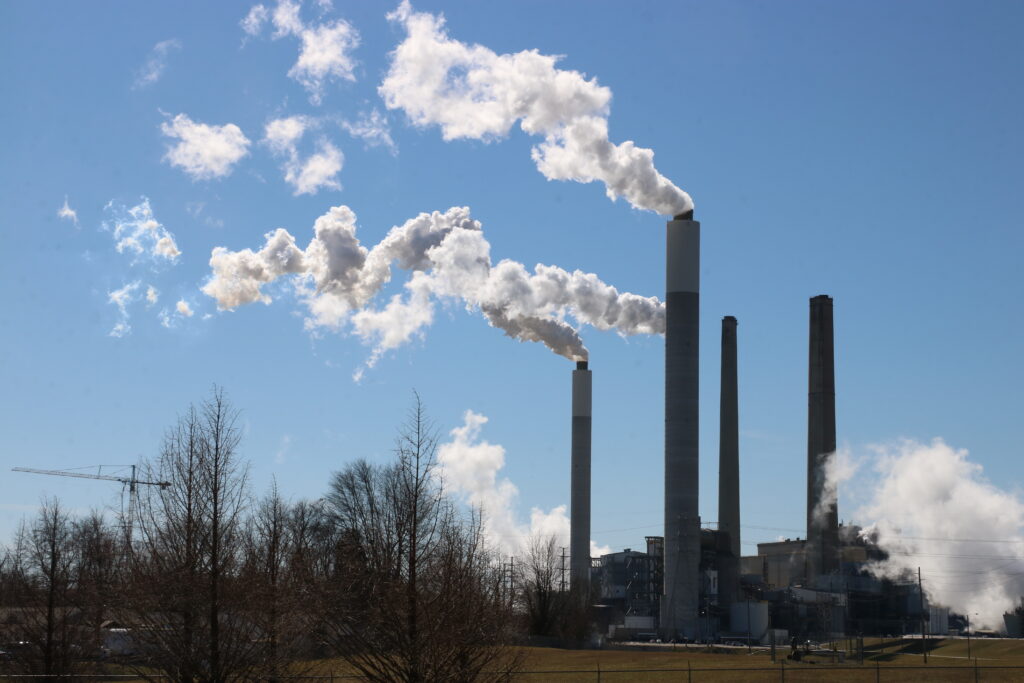
We also got to learn about an important topic in sustainability–environmental policies! These policies and regulations are designed to reduce pollution from power plants and encourage cleaner energy production. We learned about two main approaches: command and control policies (C&C) and market based policies. C&C policies require power plants to meet emission limits or install pollution-control technologies, such as scrubbers which remove harmful gases and chemicals from industrial exhaust streams before they are released into the atmosphere. On the other hand, market based policies encourage companies to cut emissions by making pollution more expensive. For example, emissions taxes charge companies for every ton of pollution they emit. Another example is cap and trade, where the government sets a limit on the total amount of pollution that can be released and gives companies emission permits. Companies that reduce their emissions below their limit can sell their unused permits to companies that need more, creating a financial incentive to reduce pollution.
To close out our final newsletter, I will be signing out by reflecting on my time with Cluster 6 at COSMOS!
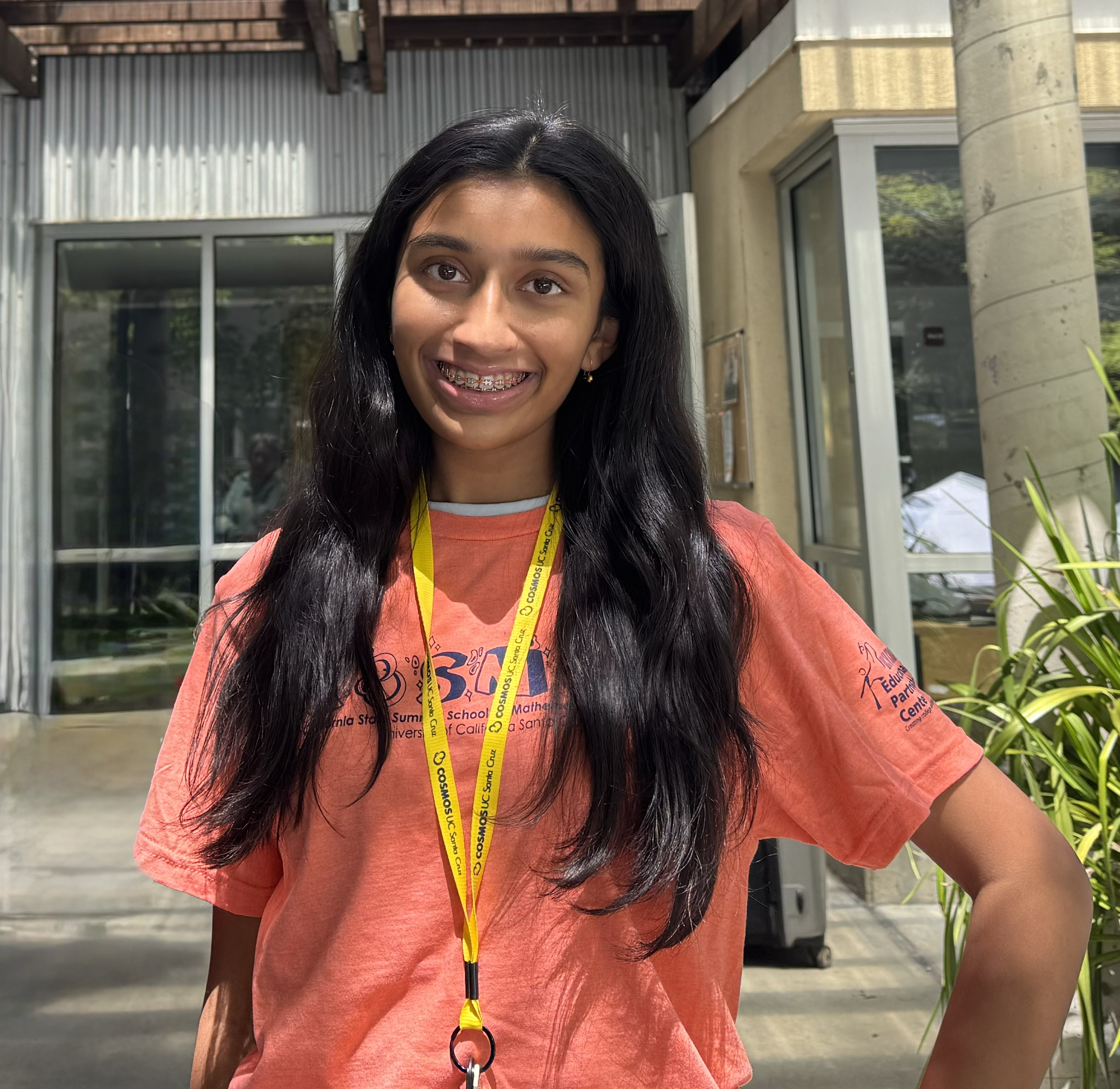
Hi, I am Tanisha, and I also wrote for the Cluster 6 recap. I am so glad that I got the opportunity to write and share what we learned over the past four weeks. COSMOS was a truly memorable experience, and I am so grateful to have learned so much from Professor Yu Zhang and Professor Yihsu Chen. Professors, thank you for expanding my interest in renewable energy, optimization, economics, and environmental policies! Thank you, Elena Vindrola, for helping us with circuit labs and creating wind-powered cars. Thank you, Caleb Lin, for teaching us important concepts in Python, such as creating chatbots and building machine learning models. Thank you, Hassan Afify, for leading Cluster 6 and helping us along the way as we created our research posters. I would also like to thank everyone in Cluster 6 for making this past month feel filled with happiness, laughter, and friendship. Lastly, I would like to thank COSMOS for creating this program that allowed me to explore a topic that I am both curious and passionate about–smart and sustainable power–while finding like-minded friends and experiencing college life. Thank you to our readers, and I hope you enjoyed these past four newsletters as much as we enjoyed these past four weeks!