Technology & Sustainability
⟡ Electric Cars: The Future of Transportation
Originally published on my old website, 2024.
Electric cars are vehicles that are powered by electrical motors that draw electricity from a battery. Since EVs run on electricity they produce zero emissions improving air quality and reducing the overall environmental impact. EVs have significant benefits to our community such as creating a sustainable and environmentally friendly future for generations to come. Our generation's transportation is responsible for approximately 50% of greenhouse gas emissions and 80% of air pollutants. This is not only dangerous to the environment but to humans as well. Gasoline vehicles burn fossil fuels and when they do this they release large amounts of carbon dioxide, a greenhouse gas, into the air that we breathe causing pollution. Additionally, as greenhouse gas emissions surround the Earth, they trap the sun's heat leading to global warming and climate change. It's our job to put an end to global warming and the first step is to transition to electric cars.
The Technology Behind Electric Cars
.jpeg)
.jpeg)
Electric cars are powered by rechargeable batteries that store electricity. When you charge the car, the batteries store electricity to operate. The electric motor is like an engine but it runs on electricity instead of gas. When you press the accelerator, the electric motor receives electricity from the battery, and then controls the speed of the car. Unlike traditional vehicles, EVs don't have multiple gears to shift the car between accelerating and decelerating. The gears are necessary to gasoline vehicles because it allows the driver to run the engine at different speeds. But EVs have electric motors that generate a large range of different speeds defeating the need of gears. The wheels of an EV are powered by the electric motor, and when the brake is used, some of the energy is captured and is used to recharge the batteries. Altogether, EVs are powered by batteries that store electricity and are energy efficient.
The Promising Future of Electric Cars
Along with being an eco-friendly mode of transportation, EVs are also affordable vehicles. EVs may be more expensive during the buying process but the maintenance fee is half as much as gasoline drivers have to pay. Customers who own electric cars save an average of $4,600 in repair and maintenance costs. However, EVs are the newest technology when it comes to vehicles making them more expensive. But as the production of EVs continues to increase the price will eventually fall making it more affordable.
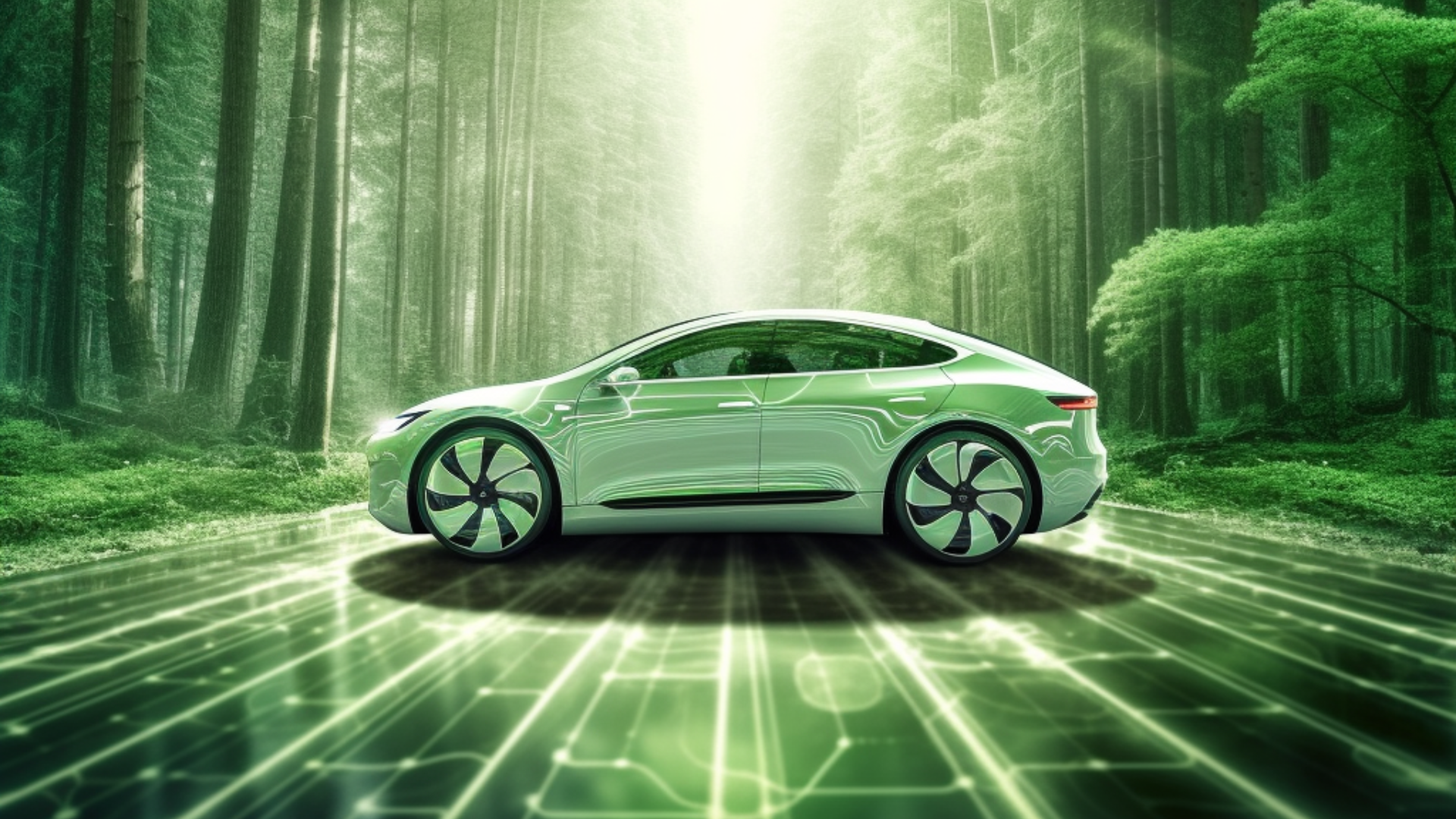
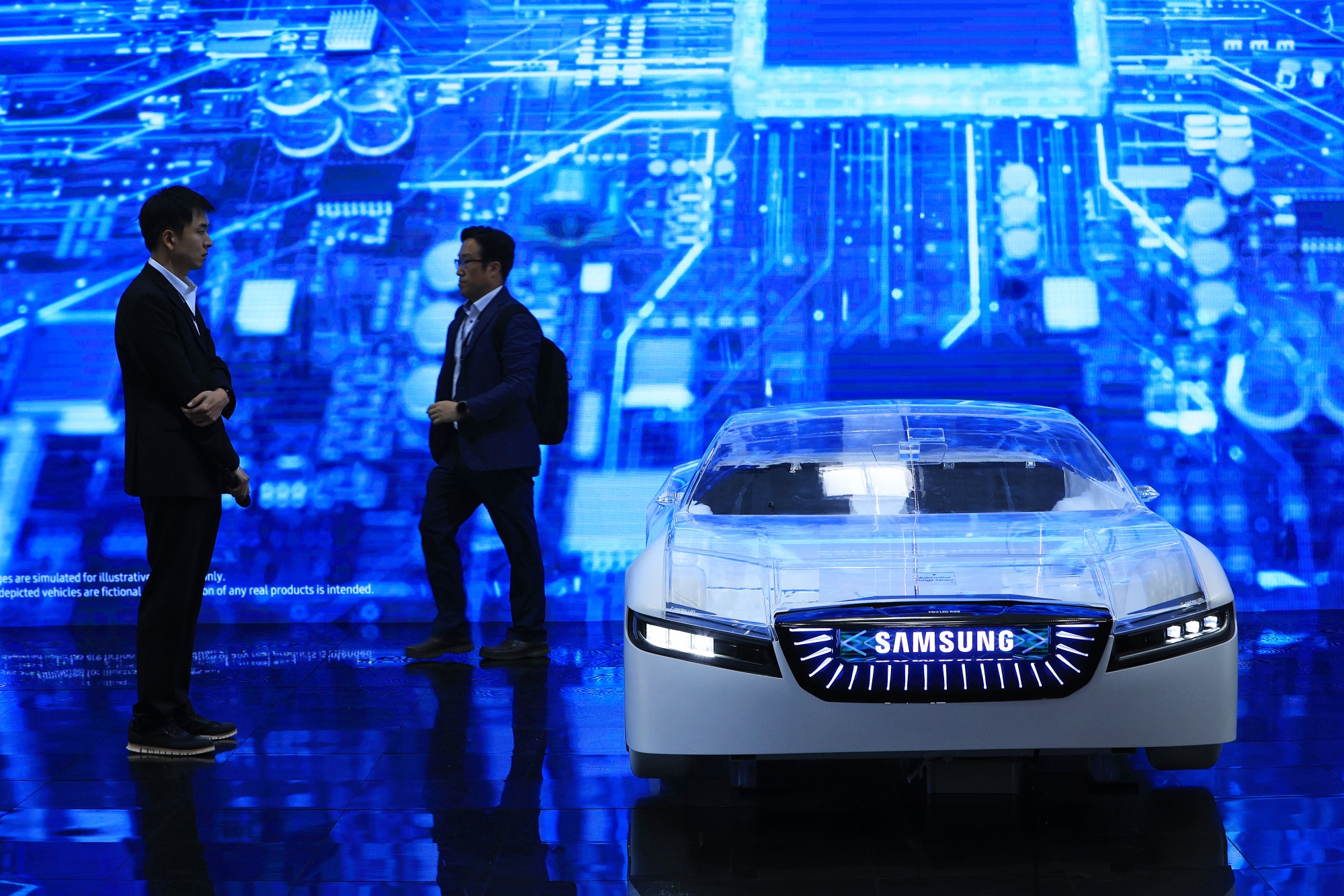
The future of EVs are quite promising considering ongoing technology advancements, an increase of investments, and growing consumer interest. It's predicted that there will be improvements in the battery such as the energy density, charging speed, and cost reduction. Also autonomous driving technologies may become more widespread in EVs. Enhancing the overall driving experience and contributing to the development of new technology in transportation systems. Governments may also begin implementing stricter regulations about emissions, further encouraging the shift towards EVs. Additionally, governments are investing in buildings for charging the vehicles, making EVs more practical for everyday use. Lastly, as EVs become more popular there will be more competition and variety in the vehicles. Allowing customers to have more choices in affordable EVs. EVs are the future of technology.
The Companies Shaping the Future of Electric Cars
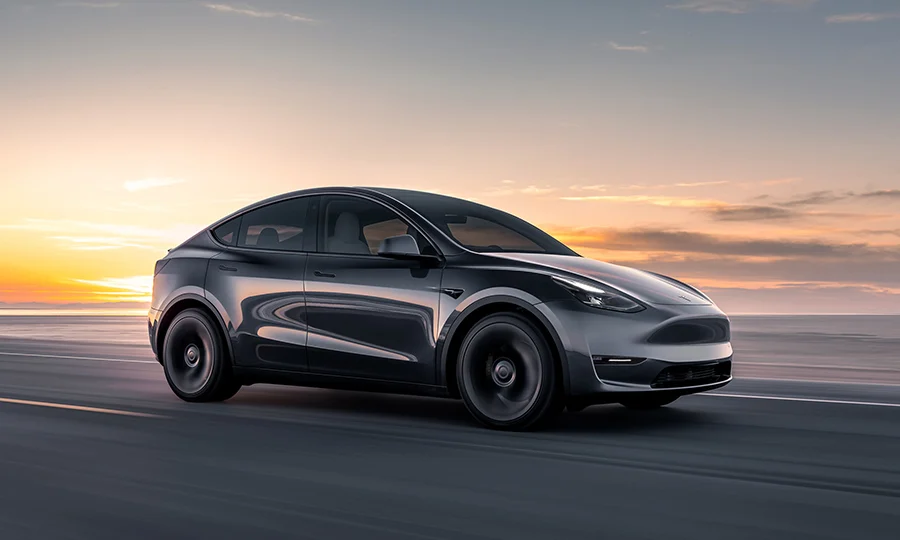
Tesla was founded on July 1, 2003, San Carlos, CA by Martin Eberhard and Marc Tarpenning. The current CEO, Elon Musk, joined the company soon after it was founded and became the largest investor of the company. Tesla's mission is to transition the world to sustainable energy by building products that replace the planet's biggest polluters, gasoline vehicles. Tesla is doing this by making vehicles that are powered by solar energy running on batteries. The company installed 32,400 kW of solar at their factories and plans on adding more. Altogether, Tesla strives to transition the world to sustainable energy through solar-powered vehicles.
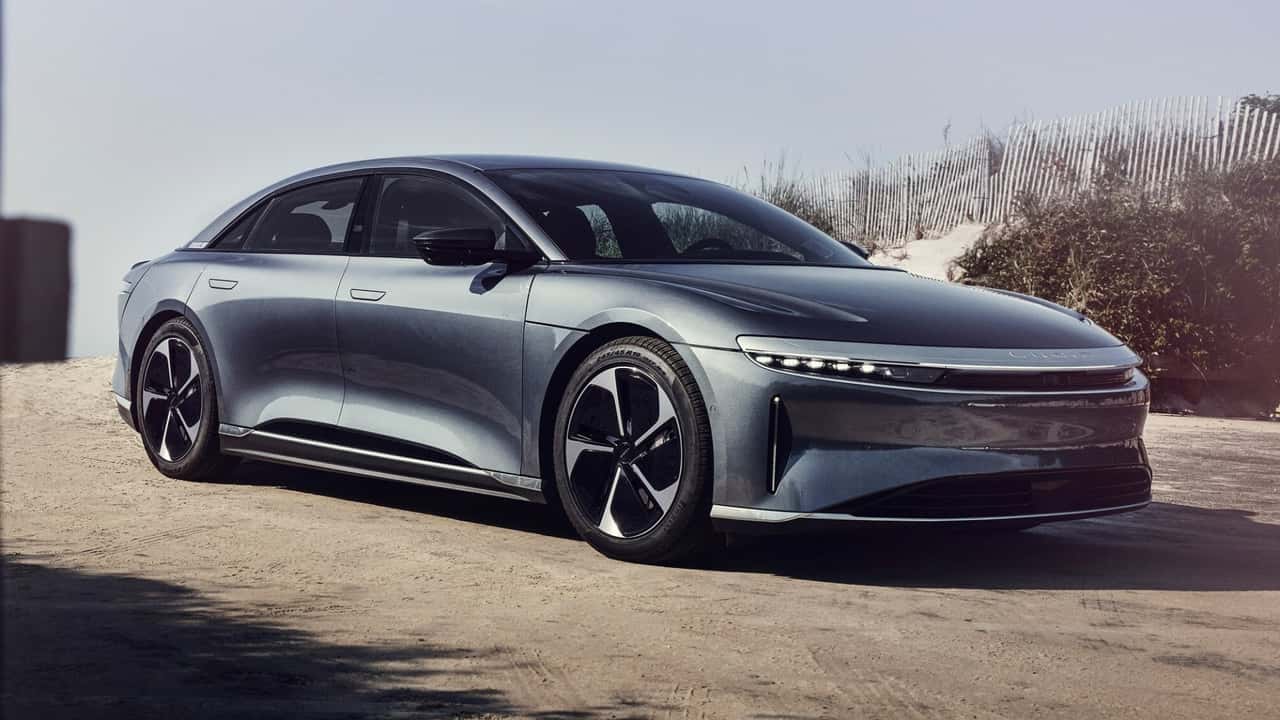
Lucid Motors was founded in 2008 by former Tesla Motors Vice President, Bernard Tse, co-founder of Astoria Networks Sam Weng, and inventor Sheaupyng Lin. Lucid wants to promote the acceptance of sustainable energy by creating captivating electric vehicles centered around the human experience. The company is making an impact by using fewer batteries and less grid electricity. This has reduced the demand for critical materials and their environmental impact. All in all, Lucid aims to create sustainable vehicles without compromising the overall experience of driving.
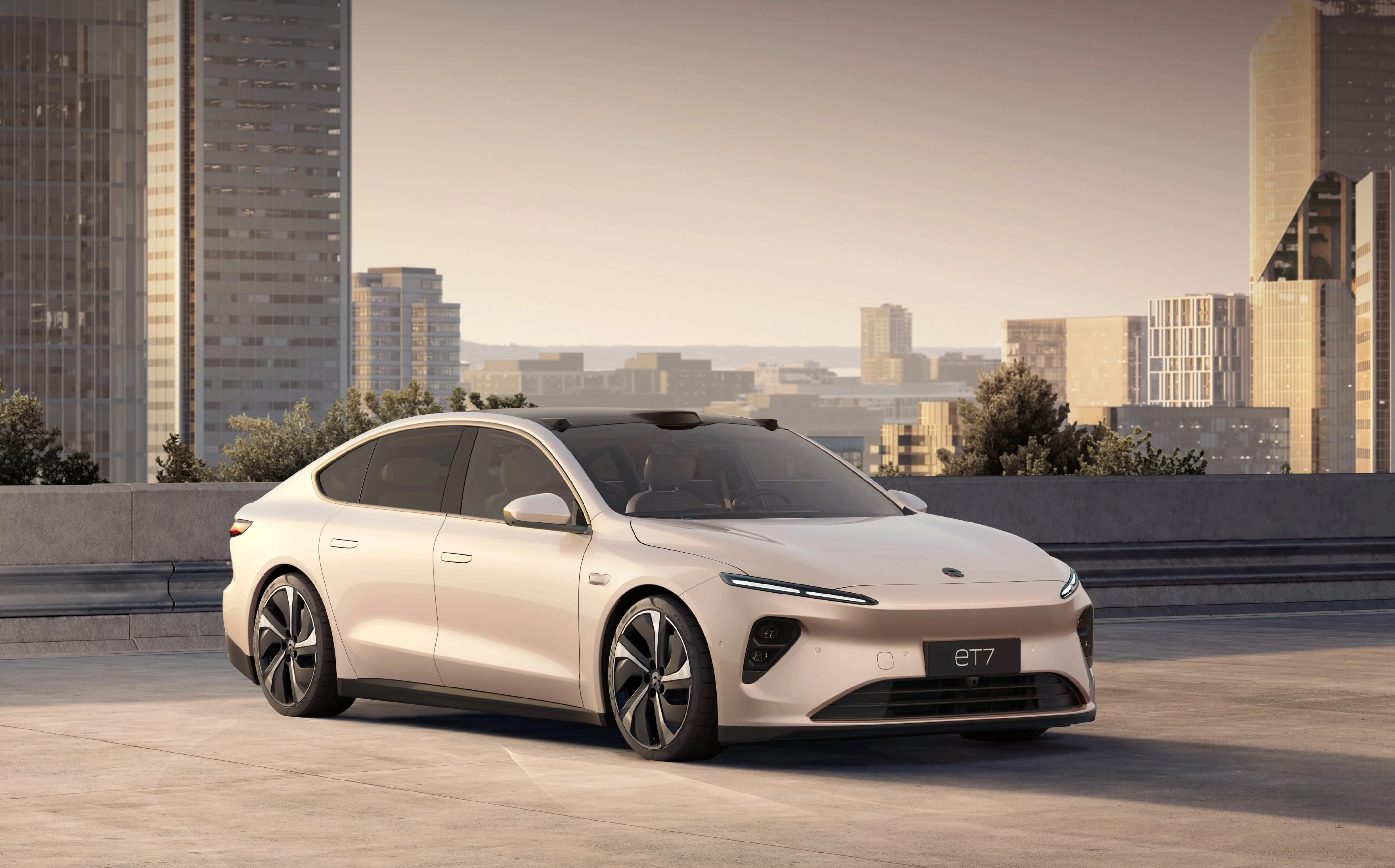
NIO was founded in November 2014 by William Li, a Chinese business executive and entrepreneur. NIO's mission is to shape a joyful lifestyle around the premium smart electric vehicle market. NIO plans to build a green ecosystem in the Sanjiangyuan National Park and provide its smart electric vehicles along with building battery charging facilities. NIO has launched Blue Sky Lab, an innovation that recycles materials in automobile manufacturing, such as airbags, seat belts, microfiber, leath, and aluminum, to create fashion products. Overall, NIO aims to promote sustainable car manufacturing to bring positive changes to communities.